How a community sleep program reduced device waste while improving therapy follow-up.
Resmed sustainability work is framed around the real operating pressures of community providers: limited storage, patient churn, consumable waste, shipping emissions, and the need to keep therapy support accessible. The goal is not a glossy environmental claim. It is a practical roadmap for smarter replenishment, better patient education, longer useful device life, and responsible end-of-life handling.
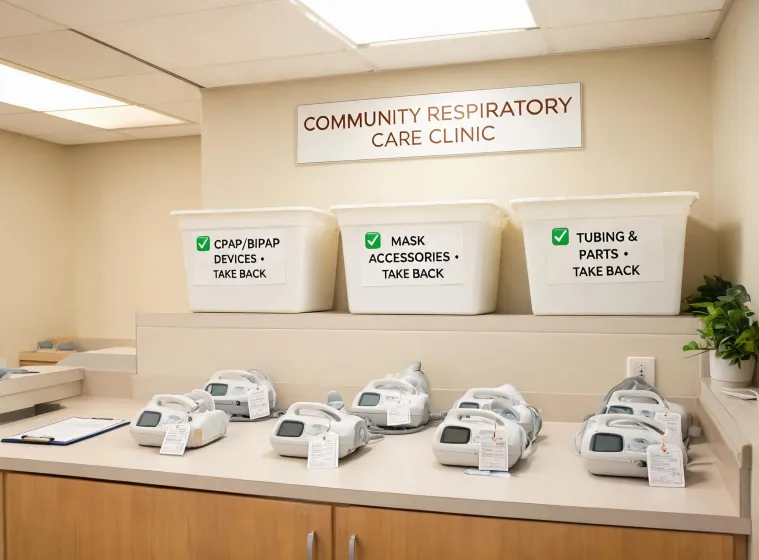
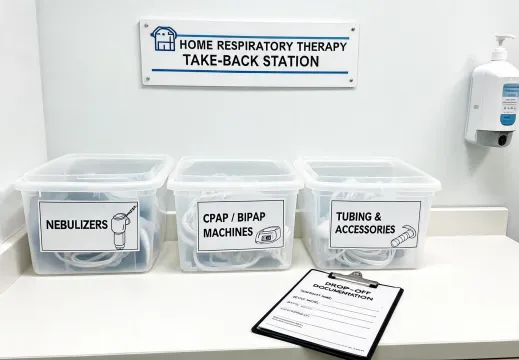
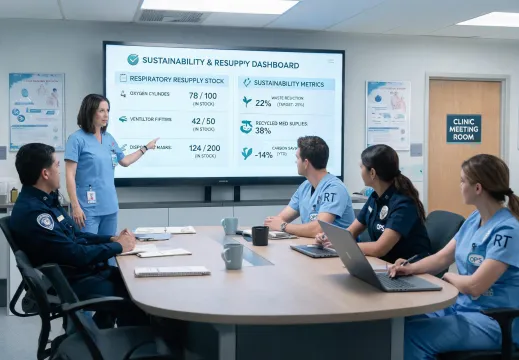
A 220-bed regional health system and its DME partner were replacing masks and accessories on a schedule that did not always match patient use. The result was cluttered storage, avoidable expedited shipments, and patients who were unsure which components could be cleaned, replaced, or returned. Resmed helped the team reorganize education around actual therapy behavior, identify high-waste supply patterns, and build a take-back pathway for selected devices at end of life.
"Sustainability became easier when we tied it to patient support, not a separate reporting exercise."Director of Home Respiratory Services
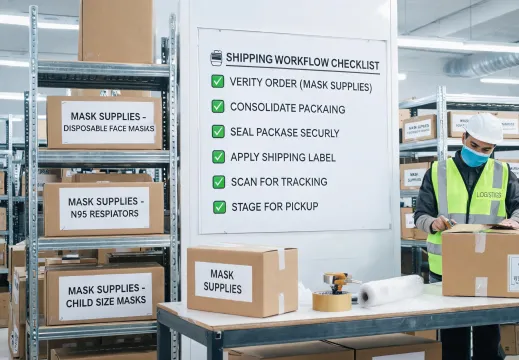
The revised program paired setup coaching with clearer replenishment intervals, device condition review, and packaging consolidation. The provider reported fewer unnecessary accessory shipments, more consistent patient education, and a clearer story for leadership when discussing carbon, cost, and care quality together.
Questions community teams often ask
Which respiratory supplies create the most preventable waste?
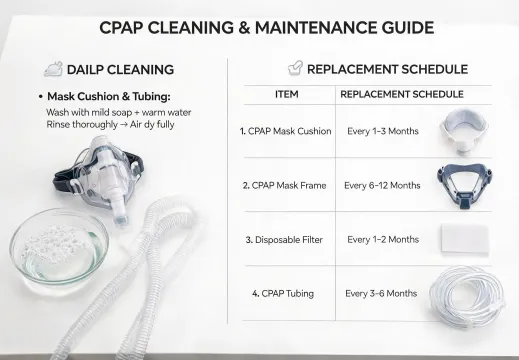
Programs usually start by reviewing cushions, filters, tubing, and packaging tied to automatic resupply. A better match between actual usage, payer requirements, and patient comfort can reduce excess.
Can device life be extended without compromising support?
Fleet review, cleaning guidance, preventive replacement of wear components, and clear retirement criteria can help teams avoid both premature disposal and unsafe overuse.
How do we handle decommissioned connected devices?
Plan for data handling, UDI tracking, accessory separation, and recycling documentation before the fleet refresh begins.
Does sustainability conflict with infection control?
No. Reuse and take-back decisions must follow IFU, cleaning instructions, and infection control review. The strongest programs document both environmental and clinical boundaries.
Talk to Resmed about a practical sustainability roadmap.
Start with resupply waste, device refresh timing, connected usage insights, and patient training materials that support both therapy and responsible operations.