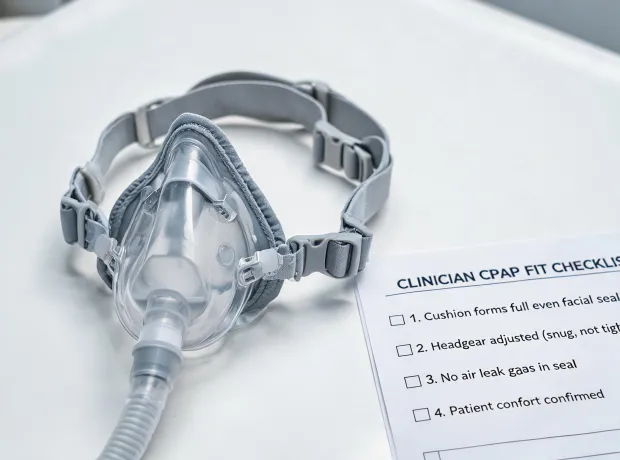
Fit that explains itself
Headgear, cushion geometry, and labeled adjustment points should help patients understand what changed when a therapist fine-tunes comfort.
Resmed design inspiration is about small choices that affect whether patients continue therapy after the first week. A mask that feels intuitive to assemble, a humidifier chamber that is easy to clean, a travel device that fits a real routine, and a coaching card that uses plain language can matter as much as the prescription. This gallery frames product design through the eyes of patients, caregivers, respiratory therapists, and DME operations teams.
Headgear, cushion geometry, and labeled adjustment points should help patients understand what changed when a therapist fine-tunes comfort.
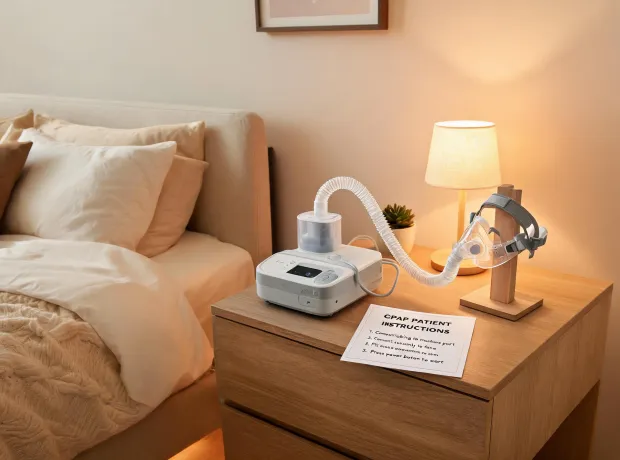
Therapy is used in ordinary rooms, often by tired people. Good design keeps water access, tubing path, and cleaning steps obvious.
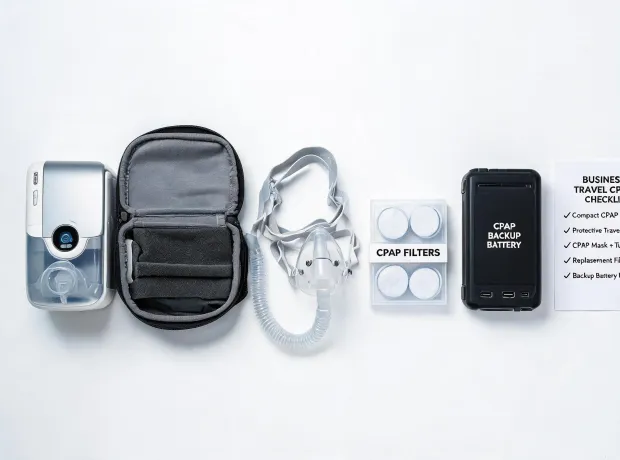
Portable therapy design should make packing, power planning, and replacement parts simple for patients who cannot pause treatment away from home.
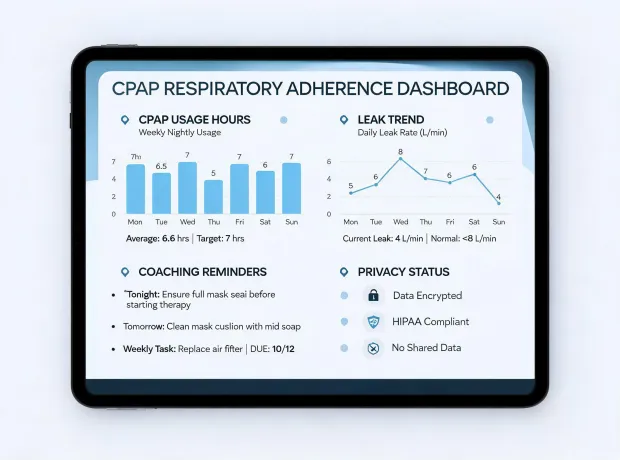
Connected insights work best when they guide action without shaming patients or overwhelming care teams with noise.
Design decisions are reviewed through nightly use: skin pressure, sound, condensation, movement, and the anxiety that can come with unfamiliar equipment.
Instructions, labels, and accessory groupings should help family members support cleaning and setup without turning them into technicians.
DME providers need packaging, replacement parts, and training materials that can scale across many patients without losing individual guidance.
Share the patient barrier, support bottleneck, or product category you are reviewing, and we will help translate it into a practical therapy workflow discussion.
Start a design conversation