From CPAP Masks to MRI Machines: How I Learned to Buy Medical Equipment That Actually Works
· Jane Smith
-
The day I realized I didn't know what I was buying
-
Why CPAP masks were the easy part
-
Fundus cameras: when I didn't know the difference
-
MRI machine: the $2 million question
-
What is clinical microbiology? A detour that taught me to ask
-
How I fixed my procurement process
-
Contact ResMed directly—seriously
-
Final thoughts: procurement is about education
The day I realized I didn't know what I was buying
It started with a simple request from the new sleep clinic director: "We need ResMed CPAP masks—Australia standard. And while you're at it, order a fundus camera for ophtho, an MRI machine for radiology, and someone asked about clinical microbiology supplies."
I blinked. I managed office supplies, printing, and the occasional lab coat purchase. Now I was supposed to buy medical equipment I couldn't even pronounce. Fun.
That was 2023. Since then, I've processed over 200 orders for everything from ResMed CPAP masks to fundus cameras, MRI machines, and even microbiology lab gear. And I've made more mistakes than I care to admit. But here's what I learned: buying medical equipment right isn't about being a doctor—it's about asking the right questions.
Why CPAP masks were the easy part
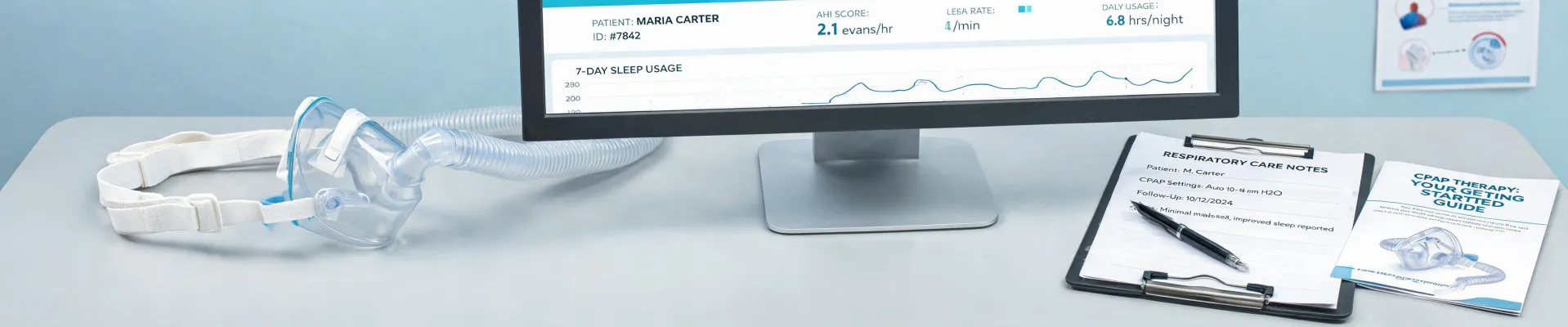
When someone says "ResMed CPAP masks Australia," I now know exactly what they mean: the models approved and stocked for the Australian market (e.g., AirFit F40, P30i, N20). ResMed has a massive mask ecosystem—nasal, pillow, full face—and the right fit depends on the patient's therapy pressure, sleeping position, and even facial hair.
But back then, I ordered the wrong size. I said "medium," the supplier heard "medium wide." Result: 50 masks that didn't seal properly. That cost the department $2,400 in wasted inventory. Not ideal, but a lesson learned the hard way.
Now I double-check the product codes. Rule #1: never assume "standard" means the same thing to everyone.
Fundus cameras: when I didn't know the difference
Then the ophthalmologist asked for a fundus camera. I nodded and typed "fundus camera" into Google. Found a model for $8,000. Bought it. Turned out it was a handheld non-mydriatic camera—great for diabetic retinopathy screening, but the clinic needed a tabletop mydriatic version for high-resolution imaging of retinal disorders. Two different machines.
I said "fundus camera." They heard "any fundus camera." Discovered this when the box arrived and the specialist said, "This won't work for our workflow."
Looking back, I should have asked: "What specific features do you need? What's the intended use? Any brand preferences?" But with the doctor waiting, I made the call with incomplete info. Lesson: spend 10 minutes clarifying upfront rather than weeks returning equipment.
MRI machine: the $2 million question
I never imagined I'd be involved in buying an MRI machine. But when the radiology department submitted a request, I had to learn fast. MRI machines range from 1.5T to 7T, with different bore sizes, software packages, and installation requirements (like liquid helium cooling). I got quotes from three vendors—Siemens, GE, Philips—but our budget only allowed a refurbished 1.5T.
The decision timeline: 2 hours. I went with a refurbished Siemens because the service agreement included 5 years of maintenance. Was that the best choice? Jury's still out. But the machine is operational, and the radiologists are happy. Sometimes "good enough" beats "perfect."
What is clinical microbiology? A detour that taught me to ask
My most embarrassing moment: I was asked to source supplies for "clinical microbiology." I confidently ordered a microscope and some petri dishes. The lab manager laughed—and then explained that clinical microbiology involves bacterial culture, sensitivity testing, automated ID/AST systems, media preparation, and biosafety cabinets. I needed a whole catalog, not a microscope.
Why does this matter? Because an uninformed buyer wastes money and trust. I now keep a list of basic definitions taped to my monitor: clinical microbiology is the study of pathogenic microorganisms from patient samples to diagnose infections and guide treatment. Sounds simple, but I didn't know it when it counted.
How I fixed my procurement process
The third time I ordered the wrong thing, I created a simple checklist:
- Spec sheet from clinician (brand, model, accessories)
- Confirm intended use and workflow
- Check power/space/installation requirements
- Get at least two quotes (unless single source)
- Verify supplier's invoicing capability (learned that the hard way)
This checklist cut our return rate from 30% to under 5%. Should have done it after the first mistake.
Contact ResMed directly—seriously
For CPAP masks and sleep therapy devices, I now go straight to the source. Contact ResMed via their official site or distributor network. Their customer service actually knows the difference between a P30i and N20. They can help with sizing, compatibility, and bulk orders for clinics. Don't rely on third-party resellers who might give you outdated stock.
Final thoughts: procurement is about education
I'd rather spend 10 minutes explaining options than deal with mismatched expectations later. An informed customer asks better questions and makes faster decisions. Whether it's a ResMed CPAP mask, a fundus camera, an MRI machine, or understanding what is clinical microbiology, the same truth applies: know what you're buying, and don't be afraid to sound stupid asking questions.
If I could redo that first year, I'd invest in better specifications upfront. But given what I knew then—nothing about medical equipment—my mistakes were reasonable. Today, I'm the one clinicians come to when they need something ordered. And I'm happy to help them buy the right thing the first time.

Jane Smith
I’m Jane Smith, a senior content writer with over 15 years of experience in the packaging and printing industry. I specialize in writing about the latest trends, technologies, and best practices in packaging design, sustainability, and printing techniques. My goal is to help businesses understand complex printing processes and design solutions that enhance both product packaging and brand visibility.